Coaching
Writing weekly training plans that members finish
How coaches can fit a plan to a member’s real week, keep sessions clear, and use what was skipped to adjust.
The M4GYM team
· 5 min read
A perfect training plan that a member doesn’t follow is worth less than a simple one they do. Most coaches have written a great programme, handed it over, and found out a fortnight later that it was never opened. The plan was fine. It just didn’t fit the person’s week.
Here is how to write weekly plans that members actually finish.
Start from their week, not your template
Before choosing a single exercise, ask three questions:
- Which days can you really train? Not the days they would like to. The days they can.
- How long do you have? Forty-five minutes on a work day is a different session from ninety on a Saturday.
- What gets in the way? Injuries, shift work, kit they don’t like, a machine they find intimidating.
Then build the week around the answers. Three sessions that happen beat five that don’t.
Make every session obvious
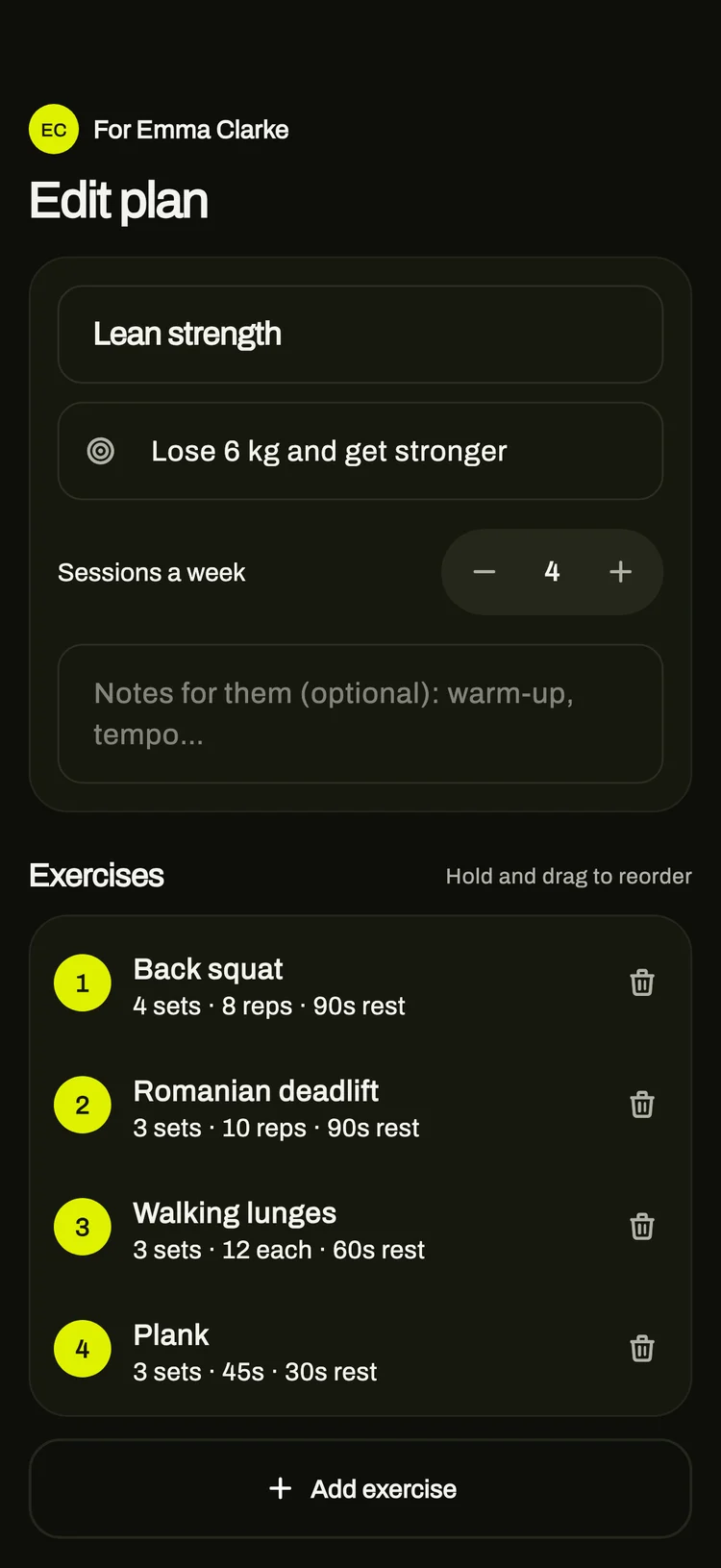
A member alone on the floor should never have to guess. For each exercise, write:
- the exercise name, the one they will see on the machine or hear in the gym
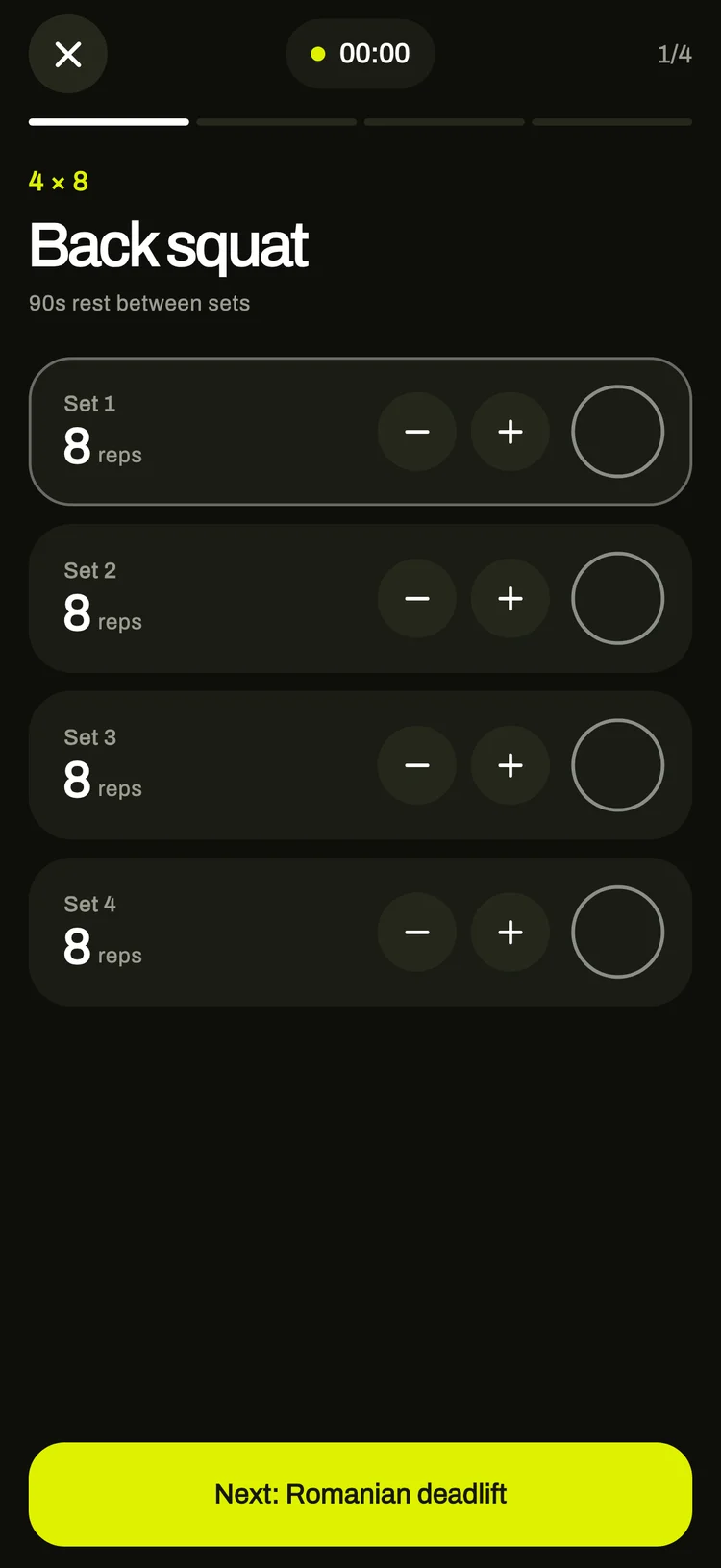
- sets and reps, or a time for timed work like planks and carries
- the weight to start with, or “pick a weight you could lift three more times”
- rest between sets
Keep sessions to five or six exercises. Long lists are where people start skipping.
One goal per week
Give each week one small, clear focus: add a set to the main lift, finish every session, or try the new exercise with good form. A member who knows what “good” looks like this week is far more likely to get there.
Progress a little, every week
The body adapts to what it is asked to do, so the plan has to ask a bit more over time. That doesn’t mean big jumps. A little more weight, one more rep, or one more set is enough. If a member finished everything easily, nudge it up. If they struggled, hold it, or ease off.
Read what actually happened
The record is more useful to a coach than the plan: which sessions were done, which were skipped, and which were started but not finished. Skipped sessions on the same day each week usually mean that day doesn’t suit the member. Unfinished sessions often mean the session is too long.
Using AI to draft plans
Drafting a fresh week for every member takes hours. AI is good at the first draft: it can take a member’s goal, days and recent workouts and propose a sensible week. The coach’s job is the part AI can’t do: knowing the person, spotting the problem, and making the call.